Best Telescopes for Astrophotography for Beginners
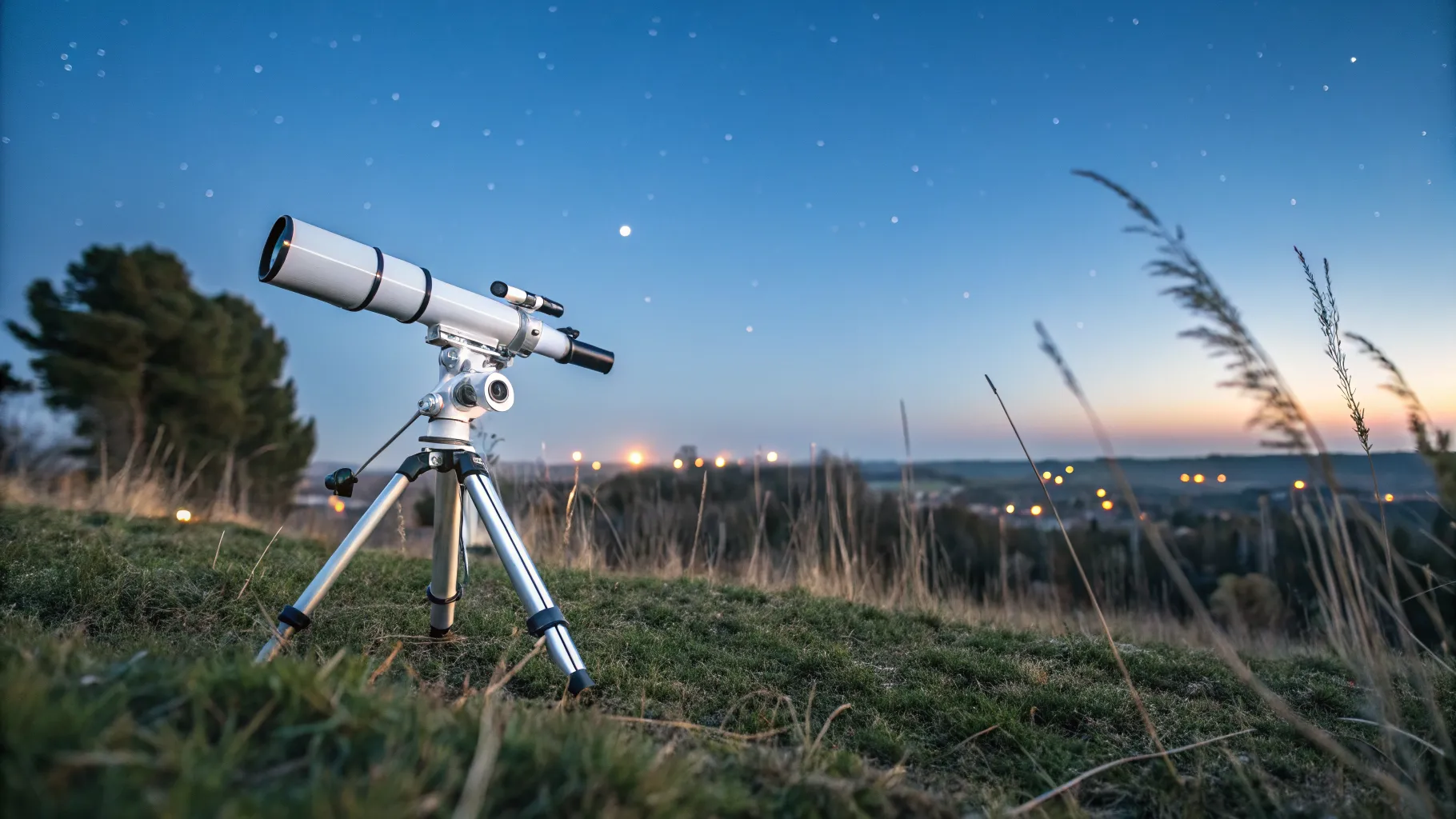
Astrophotography for beginners is really two different decisions wearing one name, and most buying guides blur them together. One path hands you a sealed robot that you set on the lawn, open an app, and let it stack images while you go back indoors. The other hands you a real optical tube, a motorised mount, and a camera, plus a learning curve and a longer bill. Both produce photos of the Orion Nebula and the Andromeda galaxy. They feel nothing alike to own. Pick the wrong one for how you actually behave under a British sky and the kit gathers dust.
So before any product list, answer one question: do you want results with almost no setup, or do you want control and a path toward serious deep-sky imaging? That answer sorts every recommendation below.
The British weather changes the maths
There is a reason smart telescopes took over the UK beginner conversation in 2026, and it is not marketing. A Seestar or a Dwarf is observing within about five minutes of being switched on. There is no mount to balance, no polar scope to align, no laptop on a cold table. When you live somewhere with frequent cloud and short, unpredictable clear windows, that five-minute start is the difference between capturing something and packing up disappointed. A traditional rig that needs twenty to forty minutes of setup can lose the whole gap to a passing cloud bank. BBC Sky at Night Magazine’s beginner’s guide to astrophotography walks through the polar alignment and tracking that a conventional setup demands, and reading it is the fastest way to understand exactly what a smart scope automates away.
This is the single biggest reason a UK beginner should at least consider Route A first.
Route A: smart telescopes, the all-in-one path
A smart telescope is the optics, the camera, the mount, and the alignment computer in one weather-resistant body. You control it from your phone. It finds the target, tracks it, takes short exposures, and stacks them live so you watch the image build. No camera to buy, no mount to learn.
ZWO Seestar S50. A 50mm f/5 triplet apochromatic scope with a 250mm focal length and a Sony IMX462 sensor. It is the scope that defined the category and it produces genuinely shareable deep-sky images. One caution: ZWO has discontinued the S50 with an S50 Pro expected later in 2026, and at the time of writing First Light Optics lists it as unavailable. If you find remaining stock, do not pay a full premium for an end-of-line model when a successor is close.
DwarfLab Dwarf 3. A 35mm ED apochromatic optic with a 150mm telephoto view plus a separate wide-field lens, weighing only 1.3 kg. It does telephoto exposures up to 60 seconds and wide-field up to 90 with equatorial mode enabled, and the wide field is unusually friendly for large objects. The low weight suits anyone short on space.
ZWO Seestar S30. The smaller, cheaper sibling of the S50, aimed squarely at first-timers. We have not re-verified its current UK price against a retailer page, so treat any figure you see as provisional.
We compare these three in depth on a dedicated page, so rather than repeat it all here, read our Seestar S30, S50 and Dwarf 3 comparison before you choose between them.
The honest limit of smart scopes: short focal lengths mean wide views, so the Moon and large nebulae shine while small galaxies stay small. You also have less creative control than a full rig. For most beginners that trade is worth it.
Route B: a refractor and a tracking mount, the real rig
If you want control, larger printable images, and a path that keeps rewarding you for years, you build a rig. The order of importance surprises people: the mount matters more than the telescope. A mediocre scope on a good tracking mount beats a superb scope on a shaky one, because long-exposure imaging lives or dies on how precisely the mount follows the sky.
The optic: William Optics RedCat 51. The current V3 (WIFD) is a 51mm, 250mm focal length, f/4.9 four-element Petzval apochromat, a flat-field astrograph designed for wide-field imaging out of the box. The optical tube is light at 1.77 kg. At the time of writing FLO lists the V3 as awaiting stock; an older V2 sometimes appears cheaper at other UK dealers and is a reasonable way in.
The mount: Sky-Watcher Star Adventurer GTi. This is the natural partner for a small refractor. It is a full GoTo mount with Wi-Fi control through SynScan Pro, a 5 kg payload, a built-in illuminated polar scope, an ST4 autoguider port, and DSLR shutter control. It runs on AA batteries or 12V. FLO sells it as a mount only or as a bundle with tripod and extension pillar, and the Star Adventurer GTi page lists the full specification.
The upgrade path. When the RedCat and GTi stop being enough, the Sky-Watcher HEQ5 Pro is the standard step up, roughly double the payload and the workhorse of serious beginner-to-intermediate deep-sky imaging. We have not verified its current price, so check before budgeting for it.
You still need a camera, either a DSLR or mirrorless you already own or a dedicated astronomy camera, plus cables and likely an autoguider later. That is the part competitors quietly leave out.
The trap to avoid: cheap Newtonians sold as “astrophotography ready”
The Celestron AstroMaster 130EQ, a 130mm f/5 Newtonian on a CG-3 equatorial mount, gets listed in roundup after roundup as a budget astrophotography scope. For deep-sky imaging that is misleading. Its focuser frequently cannot reach focus with a DSLR attached without modification, and the CG-3 mount is not steady enough to carry a camera through a long exposure. It is a capable visual scope for the Moon and planets, and good value as that. It is not a deep-sky imaging rig. Naming this honestly is more useful than another inflated star rating. If a budget is your hard limit, a smart scope or a planetary camera on a visual scope will frustrate you far less.
What a complete beginner rig actually costs in the UK
The telescope price is rarely the real number. Here is the realistic picture.
| Route | Core kit | What it actually costs to start |
|---|---|---|
| Smart telescope | Scope, camera and mount in one, plus your phone | Roughly the price of one device; nothing else to buy |
| Refractor and mount | Small APO refractor, GoTo tracking mount, your own camera, later an autoguider | Noticeably more once the mount and camera are added; the scope is only part of it |
| Budget Newtonian (visual) | Reflector on an EQ mount | Cheapest, but not a deep-sky imaging tool |
Smart scopes win on total cost and simplicity. The refractor route costs more because the mount and camera, not the tube, are where the money goes. Budget honestly at the start and you will not feel cheated three purchases later.
What you can actually photograph as a beginner
Start with the Moon. It is bright, forgiving, and stunning at any focal length. From there, wide-field targets are the gentle next step: the Orion Nebula, the Andromeda galaxy, the Pleiades and other open clusters. These are large and bright enough to reward short, stacked exposures, which is exactly what a smart scope or a wide-field refractor does well. Small, faint galaxies need longer focal lengths and better tracking, so leave them until you have grown into the hobby.
From a typical British back garden, light pollution is real but not a wall. Bortle 6 to 8 skies still give up the Moon, planets, bright nebulae and clusters, especially with the narrowband filtering smart scopes apply. Our Bortle scale light pollution calculator helps you gauge what your own sky can deliver, and the 500 rule calculator shows exactly why untracked exposures trail after only a few seconds, which is the whole argument for a tracking mount.
If you are still weighing your very first telescope rather than an imaging setup specifically, our beginner telescope buying guide explains aperture, focal length and mount types in plain terms.
Frequently asked questions
Do I need a tracking mount for astrophotography? For deep-sky imaging, yes. Without tracking, the sky’s rotation turns stars into trails after only a few seconds, so you cannot take the long exposures faint objects need. The Moon and bright planets are the exception and can be shot without tracking. A smart telescope includes tracking, which is why it sidesteps this problem entirely.
Can I do astrophotography with my DSLR and a normal telescope? Sometimes, but the telescope must be able to reach focus with the camera attached, and many cheap reflectors cannot without modification. You also need a sturdy tracking mount. A DSLR plus a small wide-field refractor on a star tracker is a proven beginner combination; a DSLR clamped to a budget Newtonian on a light mount usually is not.
Smart telescope or DSLR and mount, which should a beginner buy? If you want results fast with almost no setup and you observe in short clear windows, choose a smart telescope. If you want creative control and a long-term path toward serious deep-sky imaging and you enjoy learning the kit, choose a refractor and tracking mount. There is no universally right answer, only the right match for how you will actually use it.
How much do I need to spend to start? A smart telescope is close to all-in for one price. A proper refractor and mount rig costs meaningfully more once you add a camera and, later, guiding. Budget for the mount and camera as well as the tube, because that is where most of the money goes.
Can you do astrophotography from a light-polluted UK back garden? Yes, within limits. From Bortle 6 to 8 skies you can image the Moon, planets, bright nebulae and clusters, particularly with the narrowband processing smart scopes apply. Faint galaxies and very dim nebulae want darker skies, but plenty is achievable from a suburban garden.
Do I have to polar align, and is it hard? A traditional equatorial mount needs polar alignment so it tracks the sky correctly, and modern mounts with illuminated polar scopes make it manageable once you have practised. Smart telescopes handle alignment automatically, which is a large part of why they are so beginner-friendly.
What is the difference between a refractor and a reflector for imaging? A refractor uses lenses and a reflector uses mirrors. For wide-field beginner imaging, small apochromatic refractors are popular because they are compact, low-maintenance and produce clean, flat star fields. Reflectors offer more aperture for the money but often need collimation and a more capable mount, which adds difficulty early on.
Clear skies forecast? Get a nudge.
Our weekly email flags the next good UK observing window and one easy target to find.
Join the listMore from Starvest
Keep reading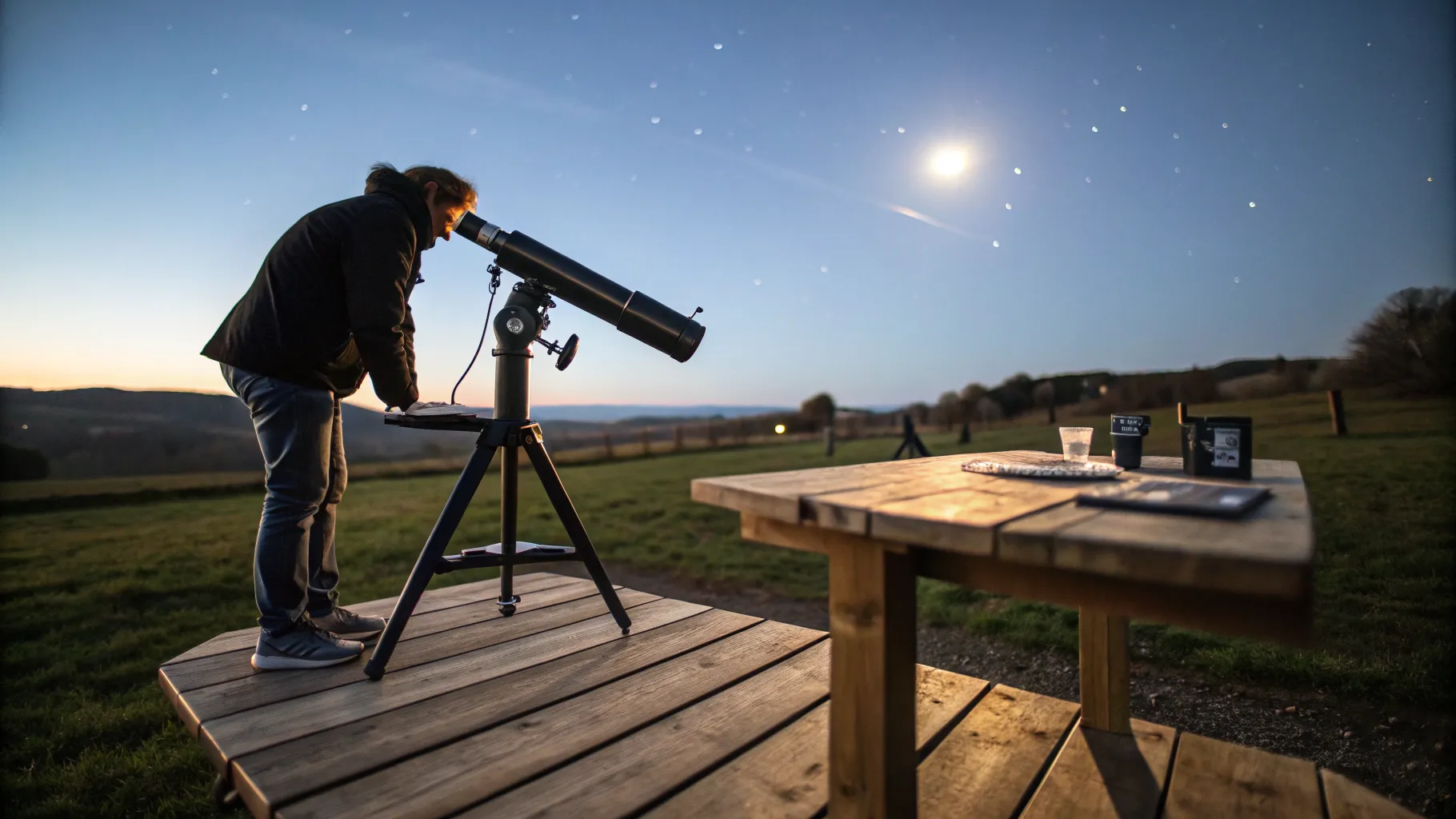
Best Telescopes for Beginners in the UK (Tested by Price Bracket)
The best beginner telescopes in the UK by budget, from sub-£150 tabletop scopes to app-guided and smart telescopes, with real 2026 prices.
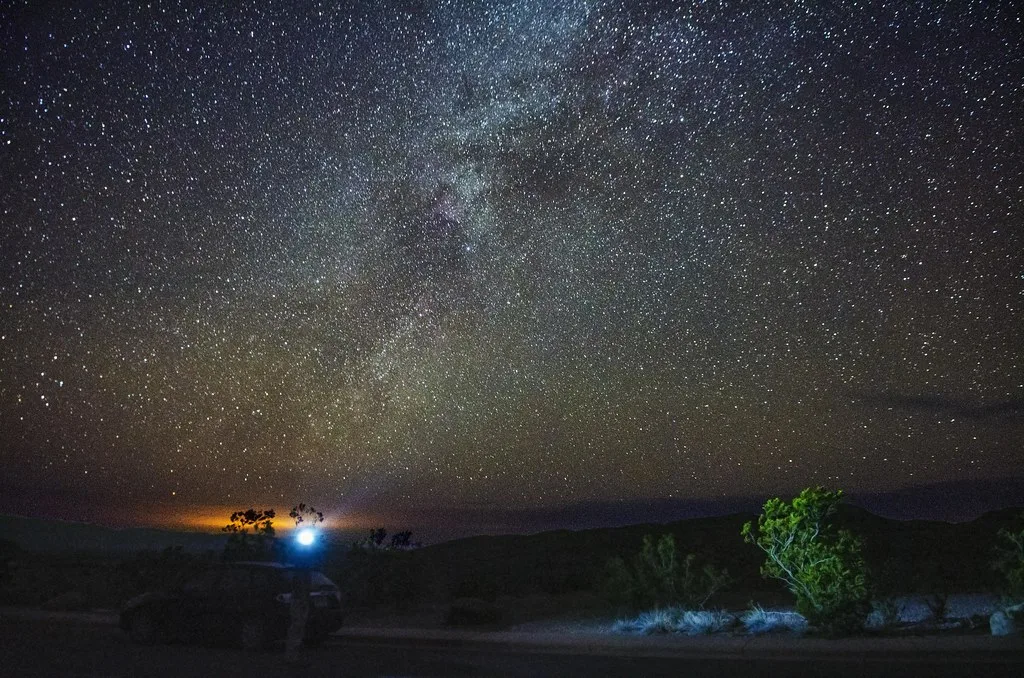
What Can You See with Binoculars at Night? A Realistic Astronomy List
A realistic list of what you can see with binoculars in astronomy, from the Moon and Jupiter's moons to Andromeda, with tips for spotting each from the UK.
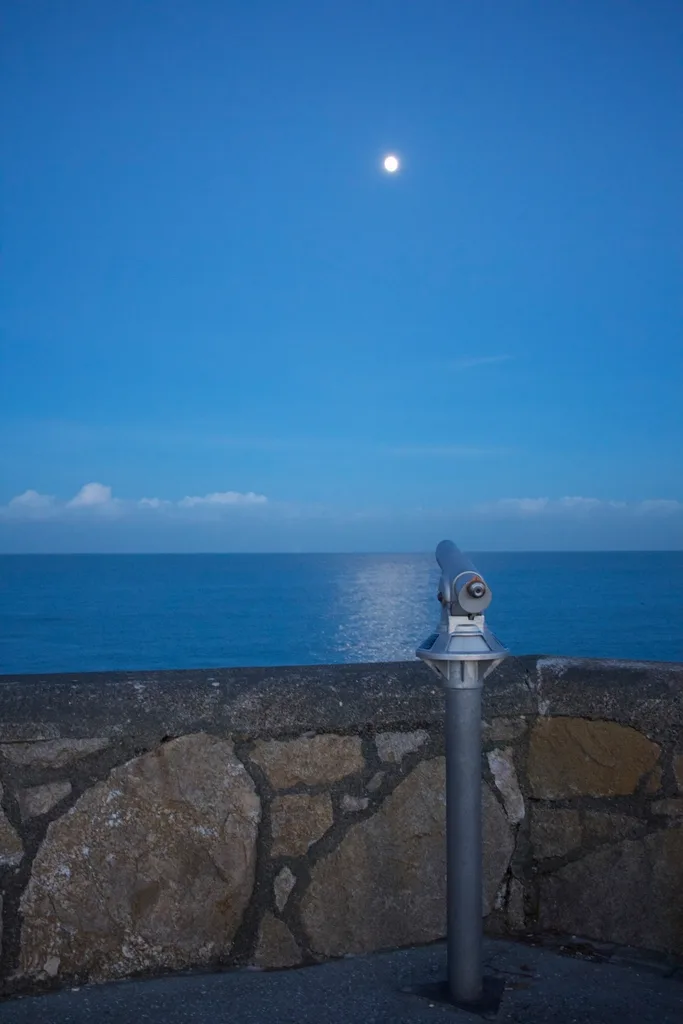
How to Set Up and Use Your First Telescope (Step by Step)
How to use a telescope as a beginner: assemble the mount, align the finder, focus, and find your first targets. A clear step-by-step UK guide.