Binoculars for Stargazing: The Complete UK Beginner's Guide
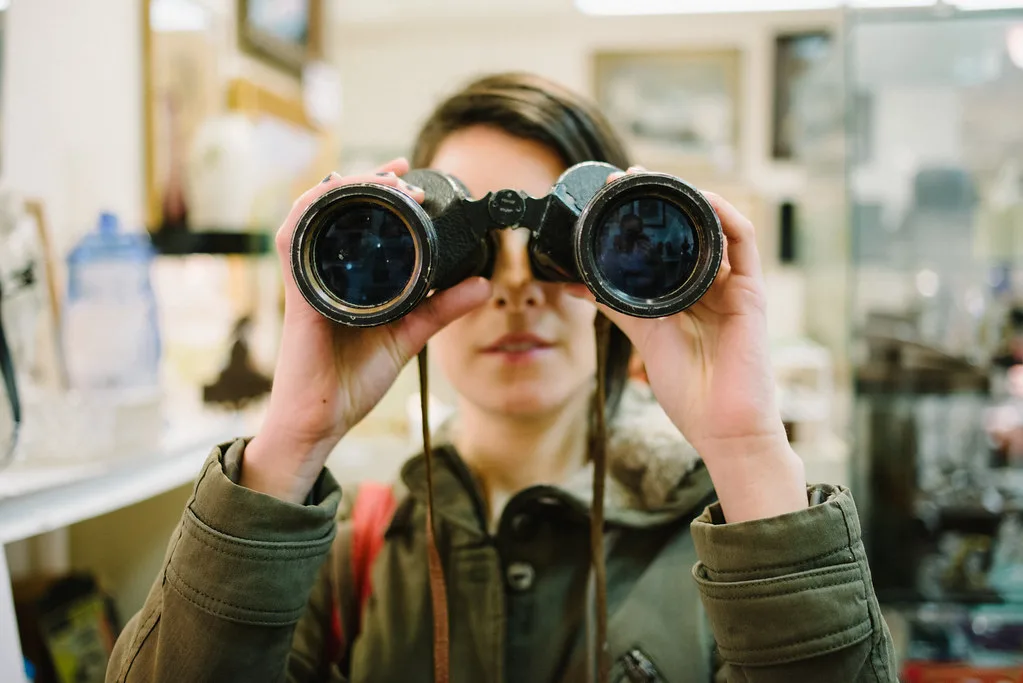
Binoculars for stargazing are the most underrated piece of astronomy kit there is. A good pair costs a fraction of a telescope, needs no setup, shows a huge swathe of sky at once, and lives on a shelf ready to grab the moment a clear night appears. Plenty of experienced observers reach for binoculars more often than their telescope, precisely because the friction is so low. If you are weighing up your first purchase, starting with binoculars rather than a scope is a genuinely sensible route, and this guide explains how to choose a pair that will still earn its keep years from now.
What the two numbers mean
Every pair of binoculars is described by two numbers, like 10x50. The first is the magnification: 10x means objects appear ten times closer than with the naked eye. The second is the aperture, the diameter of the front lenses in millimetres, which decides how much light the binoculars gather. For astronomy, aperture matters more than magnification, because the night sky is faint and you want every photon you can collect. A wider front lens shows fainter stars and a brighter image.
It is tempting to assume more magnification is always better. It is not. High magnification narrows the field of view, dims the image, and makes every tiny hand tremor look like an earthquake. The sweet spot for handheld astronomy binoculars is modest magnification paired with generous aperture, which is exactly why one configuration has dominated for decades.
Why 10x50 is the classic first pair
The 10x50 is the default recommendation for stargazing, and for good reason. Ten times magnification is about the most you can hold steady without a tripod, and 50mm lenses gather enough light to show star clusters, the brighter nebulae, the moons of Jupiter as pinpricks of light, and craters along the Moon’s terminator. They are also useful in daylight for wildlife and landscapes, so they never gather dust.
The number that makes 10x50 work so well is the exit pupil. Divide the aperture by the magnification (50 divided by 10) and you get 5mm, the width of the beam of light leaving each eyepiece. A 5mm exit pupil is close to how far a younger adult’s pupil opens in the dark, so almost none of the gathered light is wasted. Trusted UK-facing options in this class include the Nikon Aculon A211 10x50, the Celestron UpClose G2 10x50, and budget pairs such as the Praktica Falcon 10x50. Any competent 10x50 with BAK-4 prisms and multi-coated optics will get you started.
When you need a tripod
Push magnification higher and you cross the line where your hands can no longer hold the view still. Around 12x is the practical ceiling for handholding, and anything from 15x upward really wants support. This is the trade many beginners get wrong: they buy 15x70 or 20x80 binoculars expecting more, then find the image bounces so much that faint objects are impossible to study.
Big binoculars are wonderful, but treat them as a tripod instrument from the outset. The Celestron SkyMaster 15x70 is a hugely popular large pair, with 70mm lenses that pull in noticeably more light than a 50mm, but on a night when you want to linger on the Andromeda Galaxy or sweep the Milky Way, it belongs on a tripod with an L-adapter. Our guide on whether you need a tripod for stargazing binoculars covers the mounts and adapters worth buying. If you would rather stay handheld and grab-and-go, stick with 10x50 and you never have to carry a tripod at all.
10x50 or 15x70: how to choose
This is the decision most first-time buyers agonise over, so keep it simple. Choose 10x50 if you want a pair you can lift to your eyes anywhere, use one-handed, and carry on a walk. Choose 15x70 if your main interest is deep-sky sweeping from a fixed spot and you accept that a tripod is part of the package. There is no single right answer, only which habit you will actually keep. Our full comparison of 10x50 versus 15x70 binoculars for astronomy goes deeper if you are torn.
What you can actually see
Set expectations honestly and binoculars will delight you; expect telescope views and they will disappoint. From a reasonably dark UK site, a decent pair shows:
- The Moon in fine detail, with craters and mountain ranges standing out along the shadow line.
- Jupiter’s four Galilean moons as tiny stars strung either side of the planet, shifting position night to night.
- Open star clusters like the Pleiades and the Beehive, which look far better in binoculars than in a high-power telescope because they fit in one wide field.
- The Andromeda Galaxy as a soft grey oval, and the Orion Nebula as a faint misty patch in winter.
- Rich star fields along the summer Milky Way, which is one of the genuine highlights of binocular observing.
What you will not see is planetary detail, colour in nebulae, or anything resembling the processed photographs online. That is the honest limit, and it is the same limit a modest telescope hits too. Our guide on what you can see with binoculars at night gives a realistic target list by season.
Getting the best from a clear night
Two habits transform the experience. First, let your eyes dark-adapt for at least twenty minutes and avoid white light, which resets the process instantly; a red torch keeps your night vision intact. The lower the light pollution, the more you will see, so it is worth checking your local sky quality before you drive anywhere. The Bortle scale and light pollution tool helps you gauge how dark your site really is. Second, brace yourself: lean against a wall, sit in a reclining chair, or rest your elbows on a fence. Steadier binoculars show fainter stars, every time.
If you are still deciding between binoculars and a first telescope, read telescope vs binoculars for stargazing before you spend anything. For many people, a 10x50 pair is the smartest first purchase in all of astronomy. The wider background on choosing kit lives on the British Astronomical Association’s guidance for beginners.
Frequently asked questions
What size binoculars are best for stargazing? A 10x50 pair is the classic all-round choice: ten times magnification is about the most you can hold steady by hand, and 50mm lenses gather enough light for the Moon, star clusters, Jupiter’s moons and brighter galaxies. Larger 15x70 binoculars show more but need a tripod.
Can you really see anything with binoculars for stargazing? Yes. Binoculars show craters on the Moon, the four bright moons of Jupiter, open clusters like the Pleiades, the Andromeda Galaxy as a grey smudge, and rich Milky Way star fields. They will not show planetary detail or colourful nebulae, which need a telescope.
Do I need a tripod for stargazing binoculars? Not for 10x50 or 12x50, which most people can hold steady enough. From 15x upward the image shakes too much to study faint objects, so a tripod with a binocular L-adapter makes a big pair like the SkyMaster 15x70 far more usable.
Are binoculars better than a cheap telescope for beginners? Often, yes. A good 10x50 pair is stable, wide-field, quick to use and doubles for daytime, whereas the cheapest telescopes come on wobbly mounts that put people off. Many observers recommend binoculars first, then a telescope once you know the sky.
What does 10x50 mean on binoculars? The 10 is the magnification: objects look ten times closer. The 50 is the diameter of the front lenses in millimetres, which sets how much light they gather. Dividing 50 by 10 gives a 5mm exit pupil, a near-ideal match for a dark-adapted eye.
Clear skies forecast? Get a nudge.
Our weekly email flags the next good UK observing window and one easy target to find.
Join the listMore from Starvest
Keep reading
Best Telescopes for Beginners in the UK (Tested by Price Bracket)
The best beginner telescopes in the UK by budget, from sub-£150 tabletop scopes to app-guided and smart telescopes, with real 2026 prices.
What Can You See with Binoculars at Night? A Realistic Astronomy List
A realistic list of what you can see with binoculars in astronomy, from the Moon and Jupiter's moons to Andromeda, with tips for spotting each from the UK.
How to Set Up and Use Your First Telescope (Step by Step)
How to use a telescope as a beginner: assemble the mount, align the finder, focus, and find your first targets. A clear step-by-step UK guide.