Meteor Shower Calculator: How Many You'll Actually See
The big number in every meteor shower headline is a zenithal hourly rate: what one observer would count with the radiant straight overhead under a perfect magnitude 6.5 sky. Pick a shower, your location and your sky, and this calculator applies the International Meteor Organization's correction hour by hour through the night. The key insight: your sky's darkness usually matters more than the shower's headline rate, so a drive to a dark site can more than double your count.
Which shower, where and how dark?
Times are UK clock time, so BST in summer and GMT in winter. The table runs from 6pm to 7am and greys out any hour when the sky is still too bright, meaning the Sun is less than 12 degrees below the horizon. Rates are the IMO's standard average for one observer with a clear, unobstructed view; real counts wobble around them from hour to hour.
How the calculation works
The International Meteor Organization converts between what observers count and the ZHR with one formula. Run backwards, it predicts your hourly count:
Hourly rate = ZHR × sin(radiant altitude) ÷ r(6.5 − limiting magnitude)
The first term is geometry. A radiant low in the sky sends meteors in at a grazing angle through a thin slice of the atmosphere above you, so at 30 degrees up you see half the meteors you would with the radiant overhead. The calculator works out the radiant's altitude for every hour of the night from its published position, your latitude and longitude, and the time.
The second term is your sky. The population index r describes how quickly a shower's meteors get more numerous as they get fainter. Every magnitude your sky loses divides your count by r again. With the Geminids at r = 2.6, a garden where you can see stars to magnitude 5.0 is 1.5 magnitudes short of the standard, which divides the rate by about 4.2. A rural site at magnitude 6.0 divides it by about 1.6.
Getting a better number for your night
- Moonlight is not built in. A bright Moon can cost you a full magnitude or more. If it is up, pick the sky setting one step brighter, or check the night with our moon phase calculator.
- Know your real limiting magnitude. Our Bortle scale calculator gives a figure for your sky, and it is worth choosing "I know my limiting magnitude" to enter it.
- Treat low radiants with care. Below about 20 degrees the formula is rough and trees or houses usually block part of the view, so the true count is often lower.
- Off-peak nights are quieter. The ZHR fills in at the shower's peak value. A night either side of the peak of a broad shower like the Perseids still does well, while narrow showers such as the Quadrantids fall away within hours, so reduce the ZHR for other nights.
- Check your darkness window. The astronomical darkness calculator shows when true night starts, and the UK meteor shower guide covers each shower's best night this season.
Clear skies forecast? Get a nudge.
Our weekly email flags the next good UK observing window and one easy target to find.
Join the listMore from Starvest
Keep reading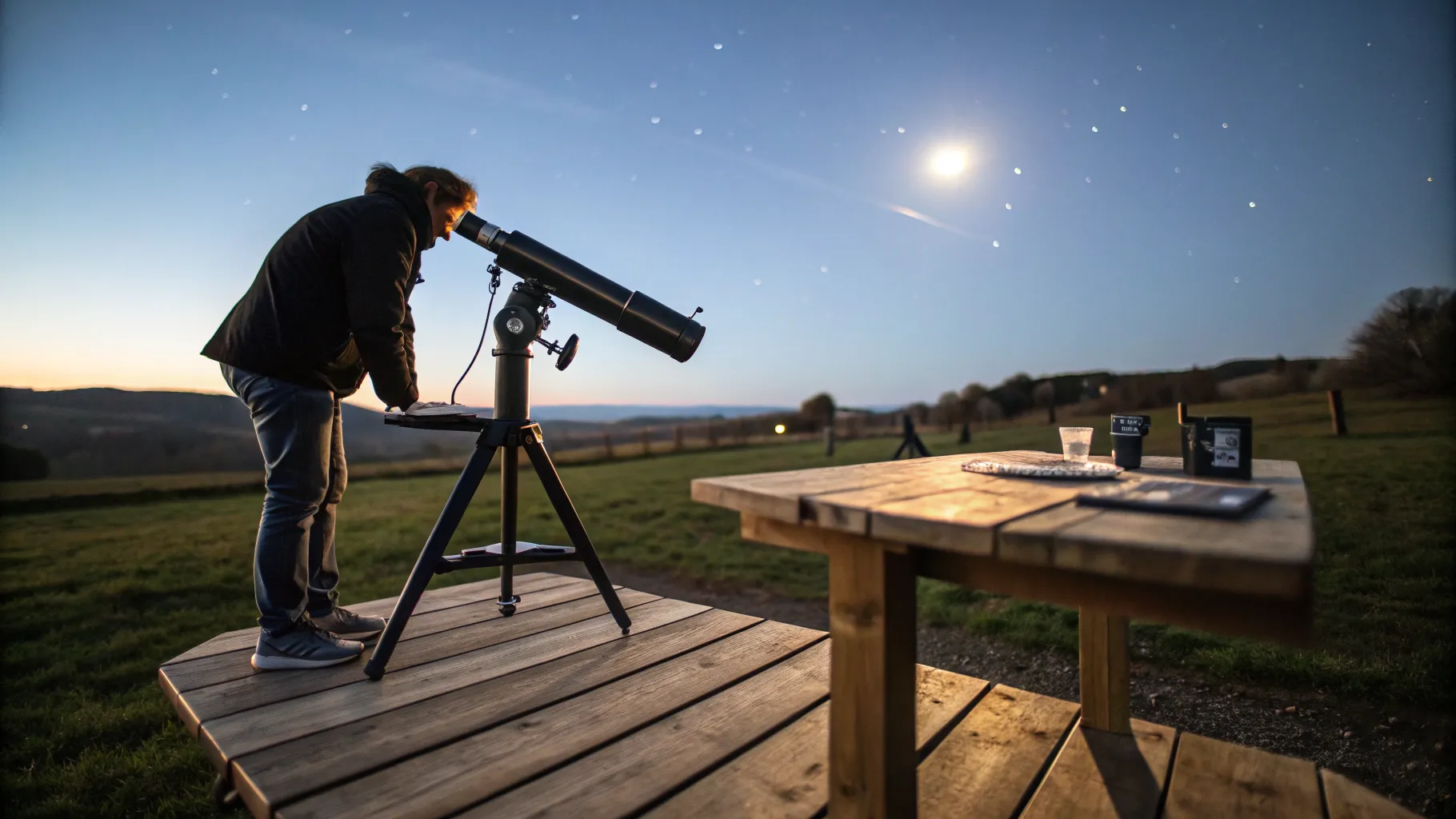
Best Telescopes for Beginners in the UK (Tested by Price Bracket)
The best beginner telescopes in the UK by budget, from sub-£150 tabletop scopes to app-guided and smart telescopes, with real 2026 prices.
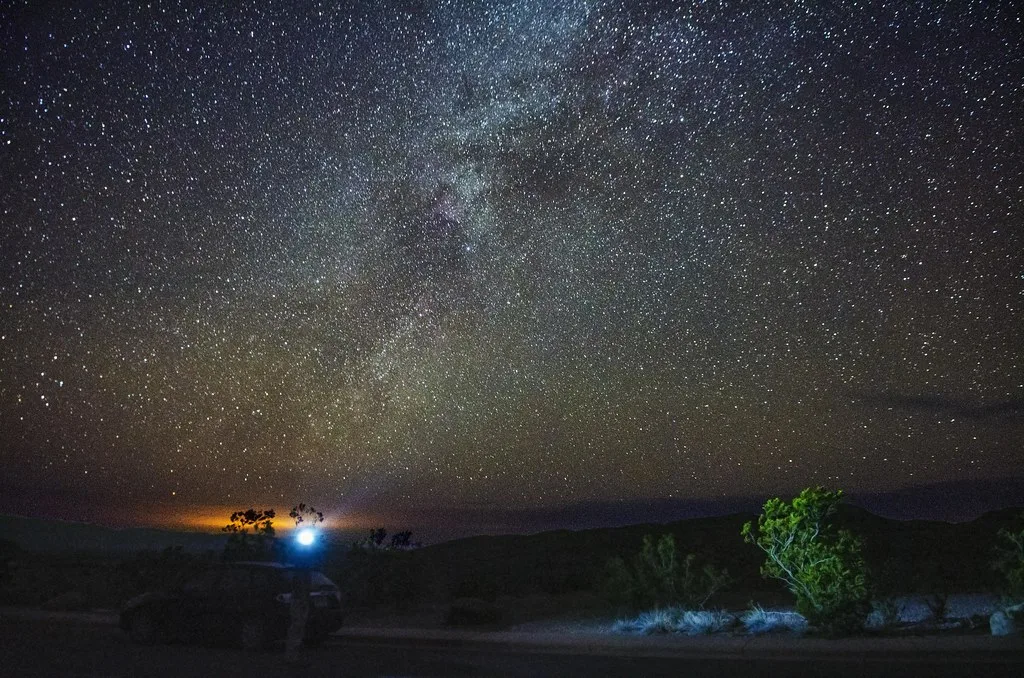
What Can You See with Binoculars at Night? A Realistic Astronomy List
A realistic list of what you can see with binoculars in astronomy, from the Moon and Jupiter's moons to Andromeda, with tips for spotting each from the UK.
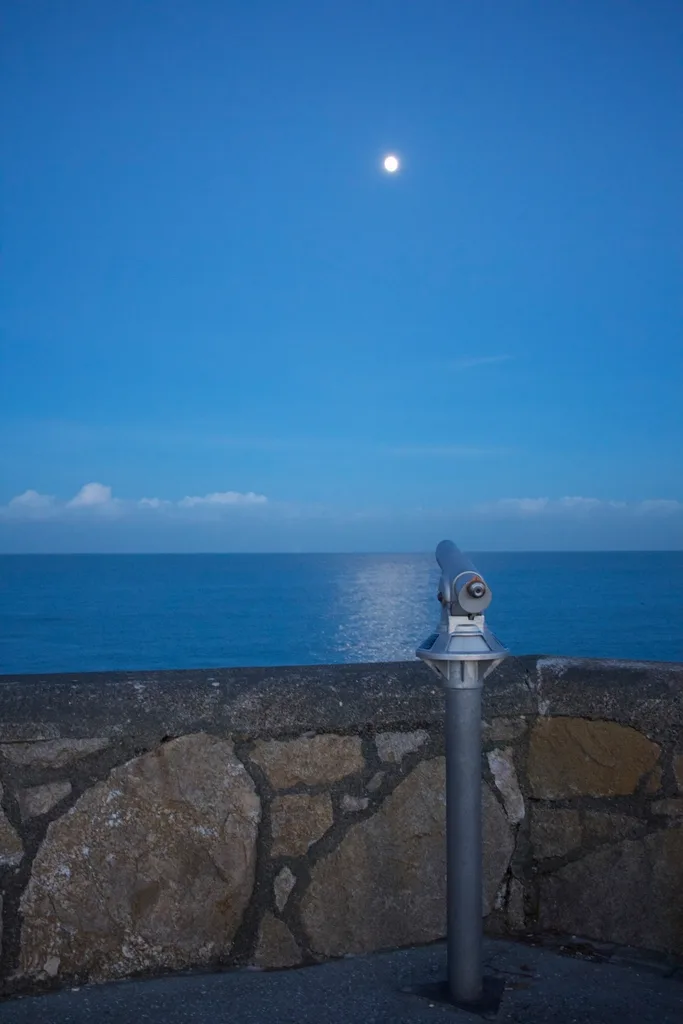
How to Set Up and Use Your First Telescope (Step by Step)
How to use a telescope as a beginner: assemble the mount, align the finder, focus, and find your first targets. A clear step-by-step UK guide.