Stargazing News: July 2026
The middle of July is short on true darkness but long on easy targets, with the waning Moon sweeping past a run of planets and clusters before dawn and a dark-sky window opening around the new Moon. Here is what to plan for over the next fortnight, and what kit actually helps.
The Moon meets Saturn before dawn
In the early hours around 7 and 8 July, the third-quarter Moon sits close to Saturn, low above the eastern horizon and within about nine degrees, roughly a fist held at arm’s length, per the Royal Observatory Greenwich July highlights. Saturn is the standout for small-scope owners this summer: even a modest telescope shows the rings, which are opening back up after their near-edge-on phase earlier in the cycle. The Moon nearby is a handy signpost to find the planet if you are not sure where to look, and it rewards an early alarm more than a late night. If you are still deciding what to buy for the planets, our guide to the best telescope for planets explains how much aperture you actually need.
A Moon, Mars and Pleiades triangle on 11 July
On the morning of 11 July, the thin waning crescent Moon forms a compact triangle with the Pleiades star cluster and orange-tinged Mars, low in the east and best seen about two hours before sunrise, again flagged in the Royal Observatory Greenwich highlights. Mars is faint and small in a telescope at the moment, so treat it as a naked-eye colour marker rather than a target to magnify. The Pleiades are the real prize here: binoculars turn what looks like a fuzzy blur into a scatter of blue-white stars, which is exactly the kind of wide, bright object a big telescope struggles to frame. Our beginner accessories guide covers why a decent pair of binoculars belongs alongside any first scope.
New Moon on 14 July opens the darkest window
The new Moon falls on 14 July, which gives the fortnight its darkest skies and the best chance of a genuinely black backdrop, per the Royal Observatory Greenwich astronomy calendar. With no moonlight washing out the sky, the nights either side of the 14th are the time to chase fainter deep-sky objects and to catch the first stray Perseids, which begin appearing from around 17 July ahead of their August peak. Getting away from town lights matters far more than expensive gear for this: a genuinely dark site will show you more than a bigger telescope under a streetlit sky. If you are weighing your first purchase, our guide to buying a telescope in the UK sets out what to prioritise.
The Milky Way core climbs into view
Through late July the bright core of the Milky Way, the dense star fields towards the centre of our galaxy, rises into the southern sky after dark, as noted in National Geographic’s July sky guide. From the UK it stays low, so a clear, unobstructed view to the south and a site well away from light pollution make all the difference. This is a naked-eye and binocular target rather than a telescope one: the reward is the sweep of the band itself, not a single object. A reclining chair and dark-adapted eyes beat any instrument here. Our best telescope for beginners guide is the place to start if you want to add a scope for the Moon and planets alongside it.
Clear skies forecast? Get a nudge.
Our weekly email flags the next good UK observing window and one easy target to find.
Join the listMore from Starvest
Keep reading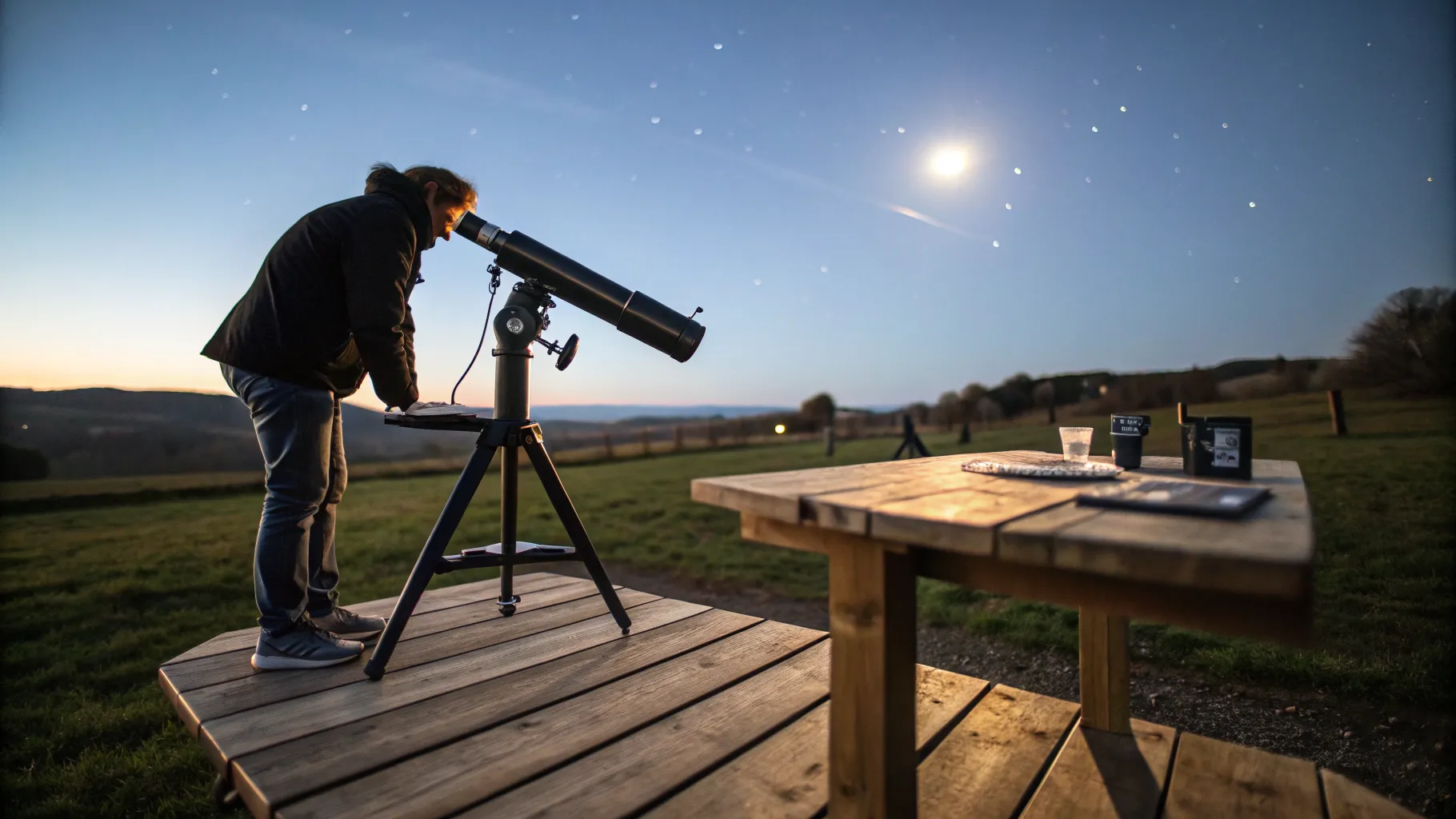
Best Telescopes for Beginners in the UK (Tested by Price Bracket)
The best beginner telescopes in the UK by budget, from sub-£150 tabletop scopes to app-guided and smart telescopes, with real 2026 prices.
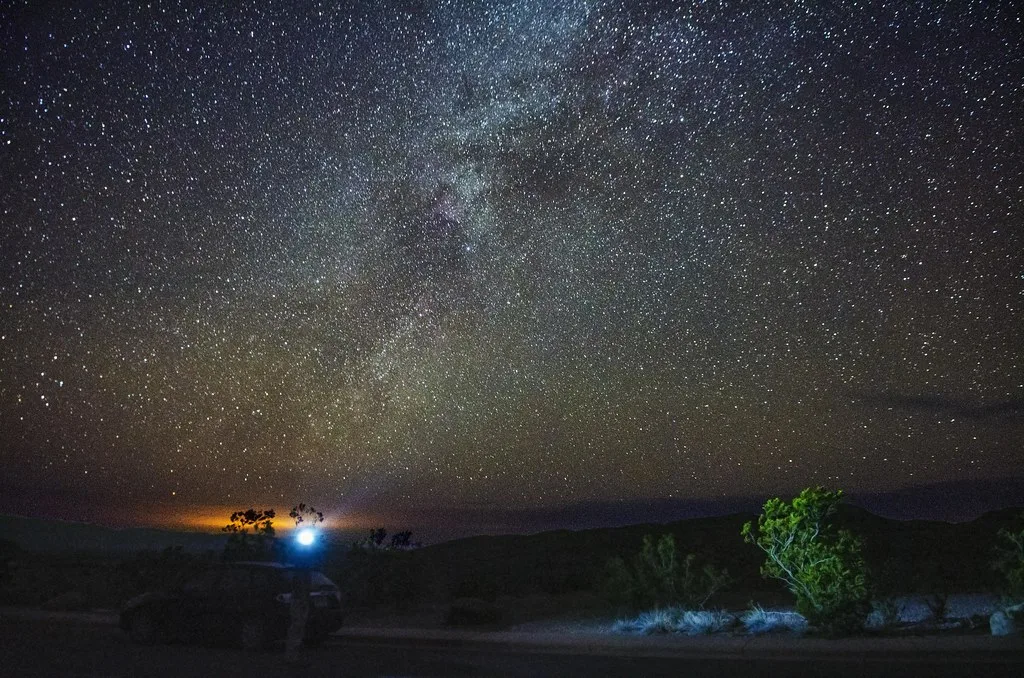
What Can You See with Binoculars at Night? A Realistic Astronomy List
A realistic list of what you can see with binoculars in astronomy, from the Moon and Jupiter's moons to Andromeda, with tips for spotting each from the UK.
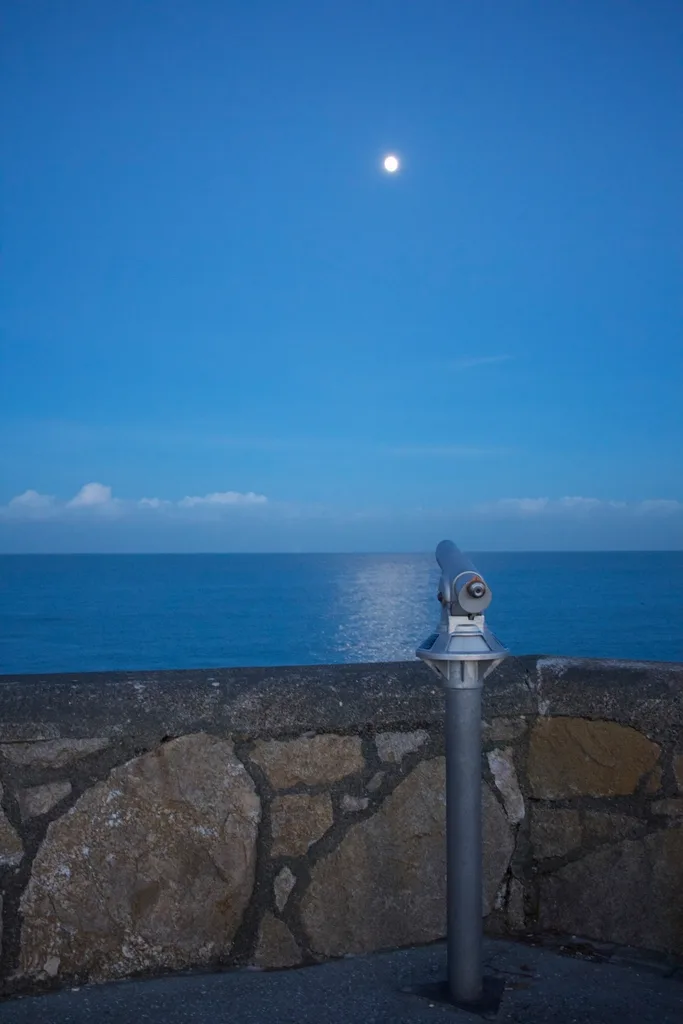
How to Set Up and Use Your First Telescope (Step by Step)
How to use a telescope as a beginner: assemble the mount, align the finder, focus, and find your first targets. A clear step-by-step UK guide.