Next Eclipse UK: 20 February 2027, Then 10 More to 2030
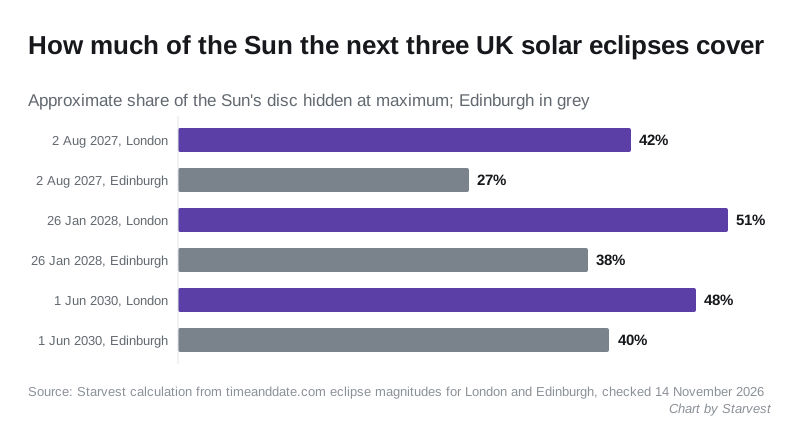
The next eclipse in the UK is a penumbral lunar eclipse on the night of Saturday 20 February 2027, deepest at 11.13pm GMT. The next solar eclipse follows on the morning of Monday 2 August 2027, when about 42% of the Sun is covered from London. Between now and the end of 2030 the UK gets eleven eclipses in all: three partial solar eclipses, three total lunar eclipses, and five lesser lunar ones, two of which you will struggle to see at all.
The table gives every one of them in UK clock time for London. Scotland and the south-west differ by a few minutes and a few per cent, and the solar section below gives those figures.
How we worked it out. Dates, local types, times and magnitudes come from timeanddate.com’s eclipse calculations for London, Edinburgh and Plymouth, checked on 14 November 2026 and cross-checked against NASA’s eclipse predictions by Fred Espenak. The percentage of the Sun covered is our own calculation from those magnitudes, so treat it as approximate to a per cent or two.
Every eclipse visible from the UK to 2030
| Date | Type seen from the UK | When (London, UK clock time) | How much you see |
|---|---|---|---|
| Sat 20 Feb 2027 | Penumbral lunar | 9.12pm to 1.13am, deepest 11.13pm GMT | Faint grey shading on one edge of the Moon |
| Mon 2 Aug 2027 | Partial solar | 9.03am to 10.59am, maximum 10am BST | About 42% of the Sun covered |
| Wed 12 Jan 2028 | Partial lunar | Deepest 4.13am GMT | A tiny nick in the Moon’s edge |
| Wed 26 Jan 2028 | Partial solar, at sunset | 3.36pm to sunset, maximum 4.34pm GMT | About 51% covered as the Sun sets |
| Thu 6 Jul 2028 | Penumbral lunar (partial elsewhere) | 9.20pm to 9.55pm BST, Moon just risen | Very hard to see |
| Sun 31 Dec 2028 | Total lunar | Moon rises eclipsed about 3.50pm, deepest 4.52pm, ends 7.40pm GMT | Red Moon low in the east on New Year’s Eve |
| Tue 26 Jun 2029 | Total lunar | From 1.34am, deepest 4.22am BST, Moon sets eclipsed | A deep red Moon low in the south-west before dawn |
| Thu 20 Dec 2029 | Total lunar | 7.42pm to 1.41am, deepest 10.42pm GMT | The whole eclipse, Moon high in the sky |
| Sat 1 Jun 2030 | Partial solar | 5.25am to 7.22am, maximum 6.21am BST | About 48% covered, Sun low in the north-east |
| Sat 15 Jun 2030 | Penumbral lunar (partial elsewhere) | 9.12pm to 9.52pm BST, Moon just risen | Very hard to see |
| Mon 9 Dec 2030 | Penumbral lunar | 8.08pm to 12.47am, deepest 10.27pm GMT | Faint shading on one edge |
The best three to plan around are the solar eclipses of 2 August 2027 and 1 June 2030, and the total lunar eclipse of 20 December 2029, the only one of the three total lunar eclipses that the UK sees from start to finish with the Moon well up.
The three partial solar eclipses
Monday 2 August 2027: the big one for the decade
Globally this is a total solar eclipse, with up to 6 minutes 23 seconds of totality along a track crossing the Strait of Gibraltar, North Africa and Egypt. The southern tip of Spain and Gibraltar sit inside the path. From the UK it is partial, mid-morning, with the Sun high in the south-east:
| Place | Starts | Maximum | Ends | Sun covered |
|---|---|---|---|---|
| Plymouth | 8.59am | 9.56am | 10.56am | About 46% |
| London | 9.03am | 10.00am | 10.59am | About 42% |
| Edinburgh | 9.11am | 10.00am | 10.51am | About 27% |
The further south and west you are, the more of the Sun disappears. Southern Spain is a two-and-a-half-hour flight for anyone wanting totality.
Wednesday 26 January 2028: an eclipse at sunset
This is an annular eclipse across South America that ends at sunset over Spain and Portugal. In the UK the Sun sets while it is still partly covered, so you need a clear, flat south-western horizon.
| Place | Starts | Maximum | Sun covered at maximum |
|---|---|---|---|
| Plymouth | 3.34pm | 4.48pm | About 56% |
| London | 3.36pm | 4.34pm | About 51% |
| Edinburgh | 3.33pm | 4.27pm | About 38% |
In each place the maximum comes at, or just before, sunset. A Sun this low is dimmed by the atmosphere, which tempts people to look straight at it. Do not: until it has set, it can still damage your eyes.
Saturday 1 June 2030: an early start
An annular eclipse over North Africa, Greece, Turkey and Russia shows as a partial eclipse soon after sunrise in the UK, with the Sun low in the north-east.
| Place | Starts | Maximum | Ends | Sun covered |
|---|---|---|---|---|
| London | 5.25am | 6.21am | 7.22am | About 48% |
| Plymouth | 5.26am | 6.21am | 7.19am | About 47% |
| Edinburgh | 5.35am | 6.29am | 7.27am | About 40% |
Find a spot with an open view to the north-east, such as high ground or the coast, because buildings and trees will hide a Sun this low.
How to watch a solar eclipse safely
Never look at the Sun directly, through sunglasses, through smoked glass, or through any binoculars or telescope without a proper solar filter on the front. Use eclipse glasses or a solar viewer made to the ISO 12312-2 standard, or project the Sun’s image onto card with a pinhole. Telescope users need a white-light filter that covers the whole front aperture; our solar observing safety page explains which filters are safe and which are not.
The Royal Observatory Greenwich gives the same advice in its guide to solar eclipses. Buy glasses well ahead of August 2027 from a seller who states the ISO 12312-2 standard, not on the morning itself.
The lunar eclipses worth staying up for
Lunar eclipses need no protection at all. You can watch with your eyes, binoculars or any telescope.
- Sunday 31 December 2028. The Moon rises in London at about 3.50pm already in Earth’s shadow, and the eclipse is deepest at 4.52pm. With a magnitude of 1.246 it is a properly red Moon, low in the east-north-east as the New Year’s Eve sky darkens. You need a clear eastern horizon.
- Tuesday 26 June 2029. A very deep total eclipse (magnitude 1.843), with the Moon passing almost through the centre of Earth’s shadow. The catch is the time: deepest at 4.22am BST, low in the south-west, and the Moon sets in London still eclipsed at about 4.52am.
- Thursday 20 December 2029. The best lunar eclipse of the decade for UK viewers. The whole thing is visible in the evening, deepest at 10.42pm GMT with the Moon high, and it ends at 1.41am.
The penumbral eclipses on 20 February 2027 and 9 December 2030 are subtle: the Moon dims a little on one side rather than turning red. The February 2027 one is unusually deep for a penumbral eclipse, so it is worth a look around 11pm, and it falls on a full Moon that is also a supermoon (see our full Moon dates for 2027). The partial eclipse on 12 January 2028 barely touches the Moon. On 6 July 2028 and 15 June 2030 the eclipse is almost over by the time the Moon rises in London, so treat those as not visible in practice.
What the UK misses
Most eclipses in these years are not visible from Britain at all. The annular eclipse of 6 February 2027 is seen from South America and the South Atlantic. The lunar eclipses of 18 July and 17 August 2027 happen while the Moon is below the UK horizon. The total solar eclipse of 22 July 2028 crosses Australia and New Zealand.
The next total solar eclipse on UK soil is a long way off: 23 September 2090, when the track crosses Cornwall close to sunset. For London itself, timeanddate’s calculations put the next total solar eclipse in 2151.
All of these dates also sit in our astronomy calendar for 2027, alongside the planets and meteor showers.
Frequently asked questions
When is the next eclipse in the UK? A penumbral lunar eclipse on Saturday 20 February 2027, from 9.12pm to 1.13am GMT, deepest at 11.13pm. The next solar eclipse is the partial one on Monday 2 August 2027.
When is the next solar eclipse in the UK? Monday 2 August 2027, from about 9am to 11am BST. About 42% of the Sun is covered from London, 46% from Plymouth and 27% from Edinburgh.
When is the next total solar eclipse in the UK? 23 September 2090, crossing Cornwall near sunset. Between now and then the UK sees only partial solar eclipses.
When is the next blood moon in the UK? Sunday 31 December 2028, when the Moon rises already eclipsed and is deepest at 4.52pm GMT. The best one is Thursday 20 December 2029, visible from start to finish in the evening.
Can I see the 2 August 2027 eclipse from Scotland? Yes, but less of the Sun is covered: about 27% at 10am in Edinburgh, against about 42% in London. The south-west of England sees the most.
Do I need special glasses for a lunar eclipse? No. A lunar eclipse is completely safe to watch with your eyes, binoculars or a telescope. Only solar eclipses need certified solar filters.
Clear skies forecast? Get a nudge.
Our weekly email flags the next good UK observing window and one easy target to find.
Join the listMore from Starvest
Keep reading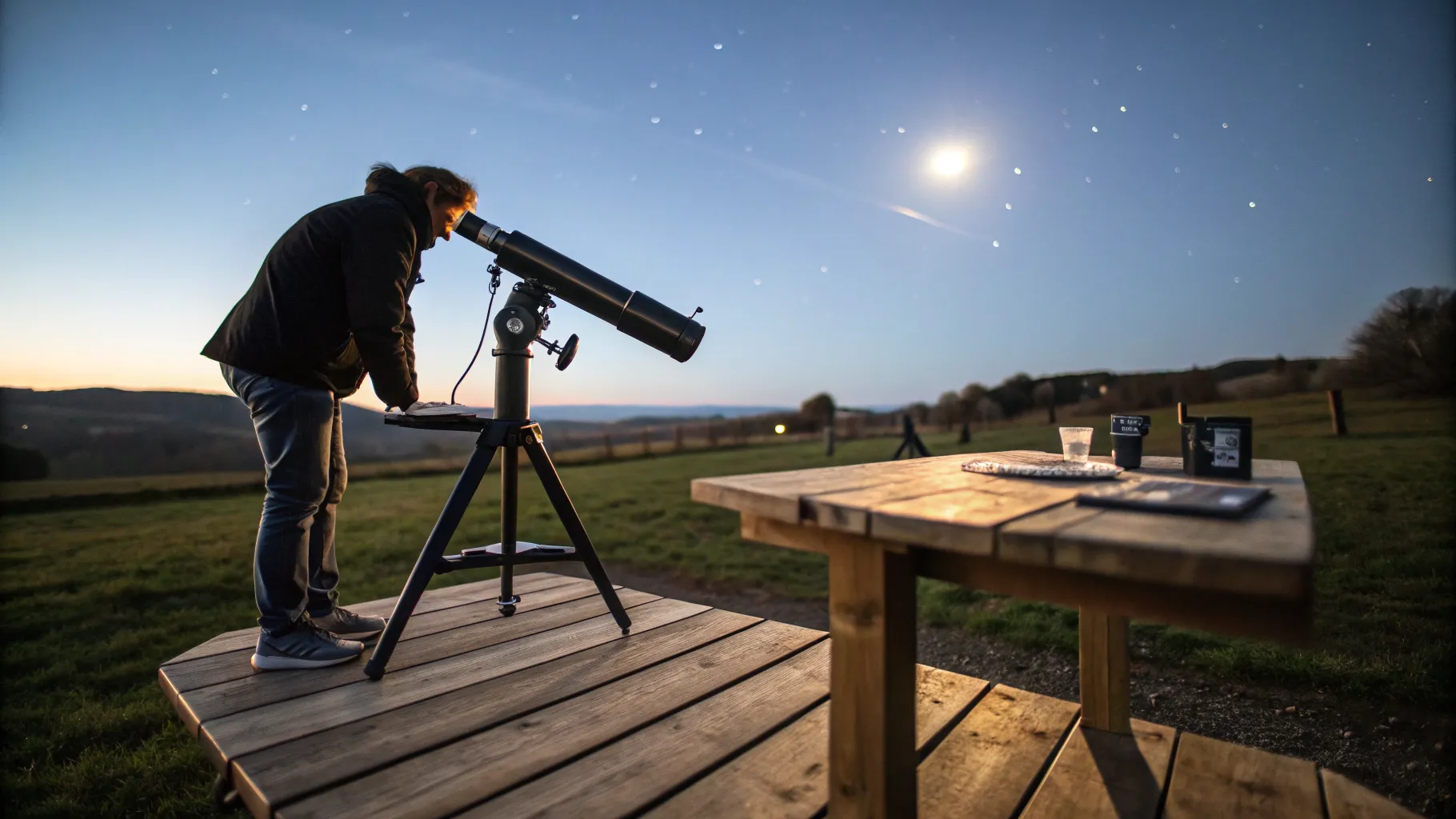
Best Telescopes for Beginners in the UK (Tested by Price Bracket)
The best beginner telescopes in the UK by budget, from sub-£150 tabletop scopes to app-guided and smart telescopes, with real 2026 prices.
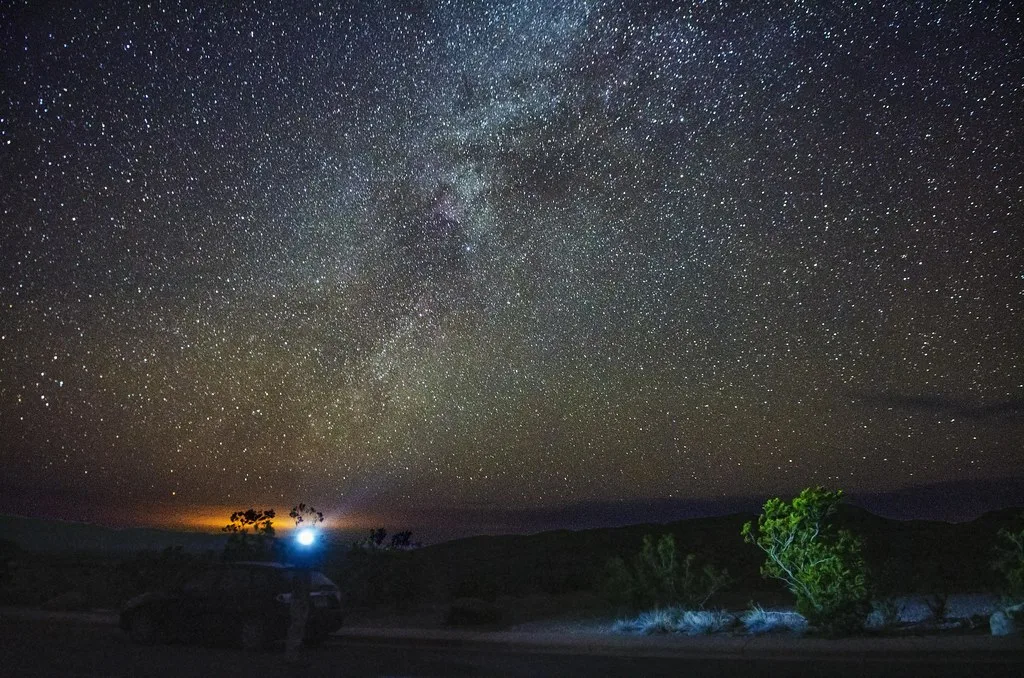
What Can You See with Binoculars at Night? A Realistic Astronomy List
A realistic list of what you can see with binoculars in astronomy, from the Moon and Jupiter's moons to Andromeda, with tips for spotting each from the UK.
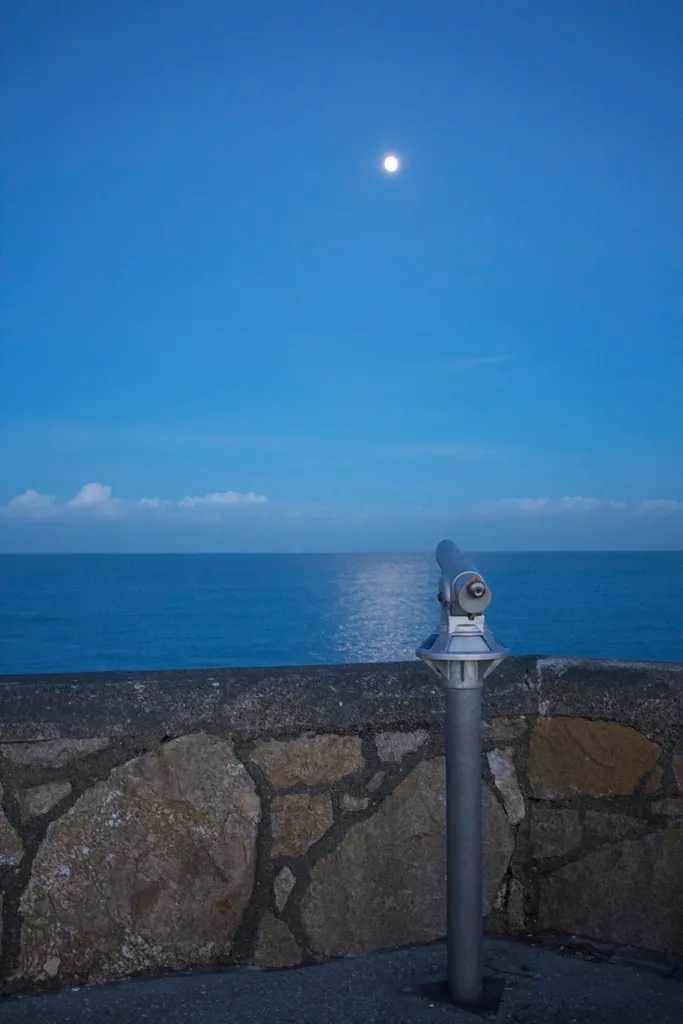
How to Set Up and Use Your First Telescope (Step by Step)
How to use a telescope as a beginner: assemble the mount, align the finder, focus, and find your first targets. A clear step-by-step UK guide.